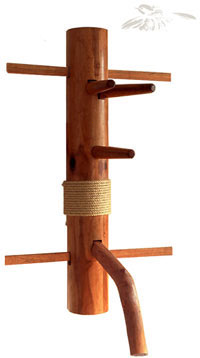

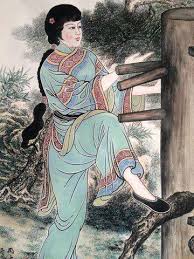
Most people can recognize a punch or a kick. Far fewer can explain what makes a fighting system efficient under pressure. That is the real question behind what is Wing Chun Kung Fu. It is not just a style with fast hands or a traditional art with a famous name. Wing Chun is a close-range martial system built around position, structure, timing, and forward pressure, with training methods designed to make those ideas functional against resistance.
For beginners, that means Wing Chun offers a clear path into practical self-defense without requiring extreme flexibility or athleticism on day one. For experienced martial artists, it offers a deeper study of contact, angle control, and force adaptation that many broad programs never develop in detail. Its value comes from how it organizes movement and decision-making at fighting range.
What Is Wing Chun Kung Fu, Really?
Wing Chun Kung Fu is a Chinese martial art known for close-range striking, arm control, centerline theory, and economical movement. In simple terms, it teaches you how to attack and defend at the same time while maintaining balance and controlling the opponent’s position.
That answer is true, but it is still incomplete. Wing Chun is not only about throwing straight punches down the middle. It is a coordinated system of body structure, stepping, turning, pressure, and tactile reaction. The goal is not to trade blows or rely on speed alone. The goal is to occupy the line, disrupt the opponent’s base, and create efficient openings with minimal wasted motion.
This is why Wing Chun often feels different from martial arts built around long-range kicking, wide combinations, or point-based exchanges. It is designed for the moment when distance closes, arms make contact, and reactions need to be immediate. At that range, posture, pressure, and positioning matter as much as power.
The Core Ideas Behind Wing Chun
At the heart of Wing Chun is the concept of efficiency. That does not mean easy. It means movements are chosen because they serve a direct function. A strike should travel on a practical path. A defensive action should create a countering opportunity. Footwork should improve angle and balance, not just move for the sake of movement.
Centerline is one of the best-known ideas in Wing Chun. The centerline refers to the central path of the body where many important targets sit and where attacks often travel. Training teaches students to protect their own center while threatening the opponent’s. This shapes hand position, elbow control, and striking lines.
Another major principle is simultaneous attack and defense. Instead of treating blocking and hitting as two separate beats, Wing Chun often blends them into one action. That can make responses faster and more efficient, but only if the student has developed the structure and timing to do it well.
Sensitivity is also a defining part of the system. Once contact is made, Wing Chun trains a person to read pressure through the arms and body. Rather than pulling away every time contact happens, the practitioner learns to feel force, redirect it, and exploit openings. This is one reason the style has such a strong reputation for close-quarters skill.
How Wing Chun Works at Fighting Range
Wing Chun is strongest when the distance is tight enough for hands, elbows, short strikes, stepping, and arm control to matter. This does not mean the system ignores entry or range management. It means its real specialty appears when there is contact or near-contact and decisions must happen quickly.
At close range, large motions become risky. They take longer, create openings, and can compromise balance. Wing Chun addresses this by emphasizing compact mechanics. Elbows stay relevant. Hands travel on shorter lines. The stance and footwork support pressure without overcommitting.
A good Wing Chun practitioner is not simply trying to hit harder. They are trying to take space, disrupt alignment, and limit the opponent’s options. If the opponent’s base is broken or their arms are controlled, striking becomes more reliable. If the angle changes in your favor, even a small opening can become decisive.
This is where the art becomes technical in a useful way. Wing Chun trains hand-and-foot coordination together. If the hands engage but the feet lag behind, control is weak. If the feet move without the upper body being connected, power and balance suffer. The system works best when structure, stepping, and pressure are integrated.
What Training in Wing Chun Usually Includes
If you are wondering what is Wing Chun Kung Fu in actual practice, the answer is found on the training floor. A serious class does not rely on theory alone. It develops specific attributes through repetition, partner drills, and applied work.
Students usually begin by learning stance, posture, basic punches, defensive shapes, and stepping. These fundamentals are not just formalities. They teach alignment, balance, and how to generate force without excess tension. Done correctly, basic training creates the body mechanics that make later applications work.
From there, partner exercises become essential. Students learn to manage incoming force, maintain forward intent, and react from contact. A well-known method in Wing Chun is Chi Sao, often called sticking hands. This drill develops tactile sensitivity, reflexes, arm positioning, and the ability to transition between control and striking. It is not magic, and it is not a substitute for broader training, but it is one of the clearest ways Wing Chun develops close-range awareness.
Training may also include entry drills, trapping concepts, low-line kicking, turning power, angle stepping, and short-range striking. Depending on the school, there can be controlled sparring or application work that tests whether the mechanics hold up when timing becomes less predictable. That part matters. Wing Chun should not stay trapped in cooperative movement. It has to be trained in ways that reveal what holds up and what needs refinement.
What Wing Chun Is Not
Wing Chun is often misunderstood because people either oversimplify it or romanticize it. It is not a collection of flashy hand movements detached from fighting reality. It is also not a shortcut that makes timing, conditioning, and pressure irrelevant.
It is not based on brute strength, but that does not mean strength is useless. Better strength, mobility, and endurance help any martial artist. Wing Chun simply teaches you not to depend on raw force as your first answer.
It is also not only for smaller people, even though people often frame it that way. The system’s efficiency and structure can benefit different body types. A smaller person may appreciate its angle creation and economy, while a larger person may apply the same mechanics with significant pressure and control. The principles are adaptable, but application always depends on the individual.
Who Wing Chun Is Good For
Wing Chun can be an excellent fit for adults and older teens who want practical martial arts training with technical depth. It appeals to people who want self-defense skills, but who also want a system they can study and improve over time.
For beginners, one of its strengths is accessibility. You do not need to be a high-level athlete to start learning body structure, footwork, and efficient striking mechanics. For experienced martial artists, Wing Chun can fill gaps in close-range fighting, especially in contact sensitivity, direct line attacks, and positional control.
That said, the right school matters. A good Wing Chun program should teach principles clearly, pressure-test applications appropriately, and help students understand why the mechanics work. Without that, students can memorize shapes without gaining usable skill.
Why People Still Train Wing Chun Today
Wing Chun has lasted because it offers a focused answer to a real problem: what to do when fighting space becomes crowded and fast decisions matter. Its methods address pressure, contact, and control in a way that many students find both practical and intellectually engaging.
There is also a discipline to the system that attracts serious learners. Progress in Wing Chun comes from refining details that at first seem small – elbow position, hip connection, stepping angle, the timing of pressure, the line of a strike. Over time, those details change how a person moves, reacts, and understands force.
For students in Doral and the Miami area who want a martial art with substance, this is part of the appeal. Wing Chun is not about collecting techniques. It is about building a functional structure for close-range combat and then learning how to apply it with control.
If you have been curious about starting, the best answer will not come from reading alone. It comes from feeling the mechanics in person, asking questions, and training with people who can explain the system clearly. Try out a free class and see how Wing Chun feels when structure, footwork, and pressure start to make sense in your own hands.